Associate Professor Michelle Jongenelis
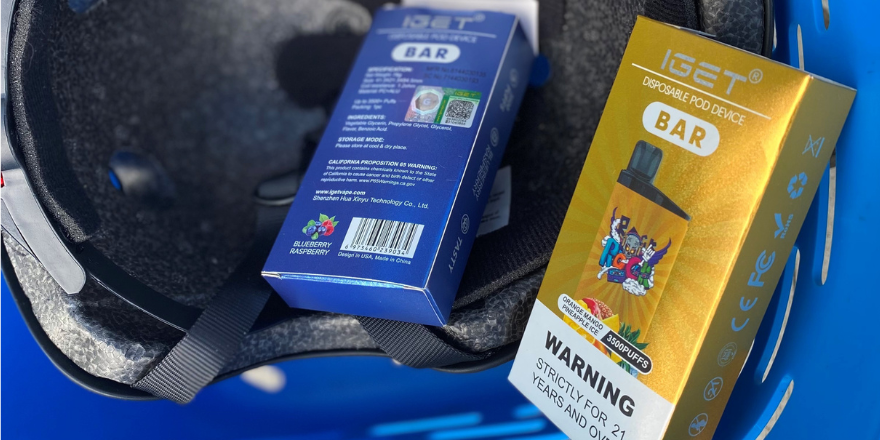
Disposable vapes are the brightly coloured plastic devices you’re seeing kids and young adults puffing on pretty much everywhere.
They are also the devices you’re accidentally stepping on when walking along the footpath.
While we were busy figuring out how to survive COVID-19, disposable vapes hit the Australian market. Vaping among adolescents and young adults has since skyrocketed, with 71% of current vapers aged under 35 years.
Five years ago, less than one percent of adolescents and two percent of adults reported vaping. These figures are now up to 15% and 20%.
To arrest this concerning trend, the Australian Government implemented a ban on the import of disposable, single use vapes from 1 January 2024. It’s the first in a series of reforms proposed by Australian Health Minister Mark Butler for this year; including a ban on all vapes without an import licence and permit, due to take effect from 1 March 2024. There will also be legislative changes to the Therapeutic Goods Administration Act.
These reforms represent a monumental win for public health.
The timely invention of vaping
Smoking has been steadily decreasing across all age-groups for decades. 75% of 18–24-year-olds reported having never smoked in 2017–18, and this figure has continued to rise.
Tax increases on tobacco cigarettes priced adolescents out of the smoking market, while greater education about the harms of nicotine, and stricter advertising regulations deterred young people from smoking.
With dying consumers, a dying market, and the prospect of younger generations bankrupting Big Tobacco, the industry invented a new kind of smoking device to recruit adolescents and young adults to nicotine addiction. How else would they maintain their profits?
Why focus on disposable vapes?
Most young Australian vapers are using disposable products. These devices are typically made with nicotine in a salt formulation, which reduces the harshness of the inhaled aerosol. They are also designed to taste like watermelon, iced doughnut, and candy, among other child-appealing flavours.
These ‘features’ make the e-liquid easy to inhale, resulting in more intense puffing and greater nicotine delivery.
First generation vaping devices were expensive and cumbersome to set up, use, and maintain. Disposable vapes are simple to use and, for the amount of addictive nicotine they deliver, cost less than a tenth of what cigarettes would.
6,000 puffs – the equivalent of about 30 packets of cigarettes – for just $25.
In short, vaping products are cheap, palatable, highly addictive, and targeted at children and teens.
And let’s not forget the environmental damage of disposable vapes – which contain electronic, chemical, and plastic waste. The device cannot be recycled because the battery is enclosed with the chemical waste. But even devices that can be recycled are proving problematic, with e-cigarette batteries a risk to waste management and recycling facilities.
So, what does a ban on disposable vapes really mean?
It is the first step in reducing access to vapes – to combat the rise of young Australians using these extraordinarily harmful products and to protect our environment.
Don’t let vested interests fool you into thinking otherwise.
Assoc Prof Jongenelis is the Deputy Director of the Melbourne Centre for Behaviour Change, University of Melbourne.
Leave a Reply