Mel Parker
Everyone deserves to live a life free from harms, including those related to alcohol.
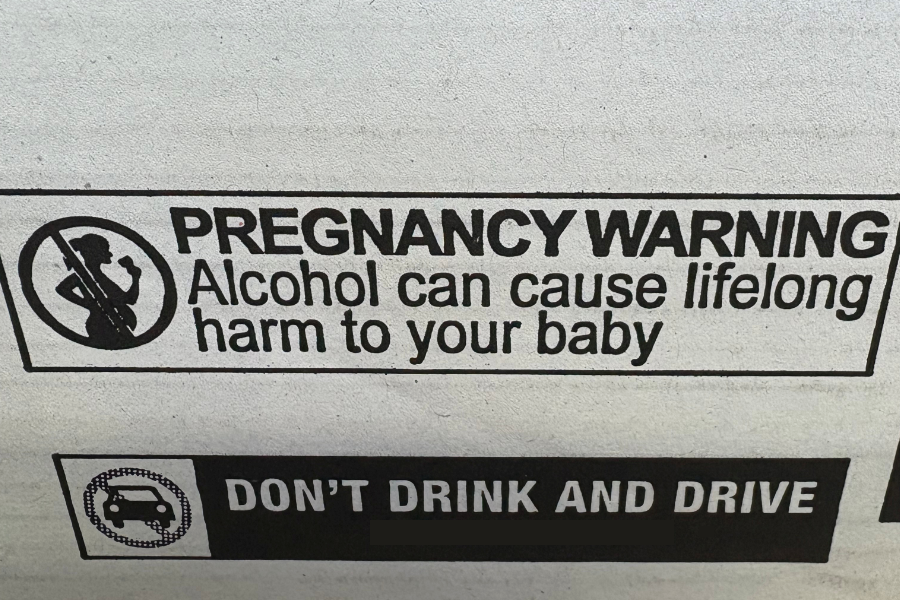
Yet, distressingly, alcohol caused 1,765 deaths in Australia in 2024. Alcohol was a principal diagnosis in more than 84,000 hospitalisations in 2023-24. Furthermore, alcohol is often involved in family violence incidents, and National Cabinet First Ministers in 2024 also recognised this issue, agreeing to evaluate relevant alcohol laws.
With South Australia recently making history by passing nation-leading reforms on online sale and delivery of alcohol, now is as good as time as any for governments in Australia to consider action to reduce alcohol harms, across online sale and delivery, advertising regulation, and more.
Alcohol marketing
Despite the immense harms of alcohol products, currently people in Australia including children remain exposed to a range of advertising, across a range of channels.
For example, a child watching sports on a live online streaming channel can see alcohol promoted whether it’s on a sports jersey, during an ad break, or both.
Concerningly, the marketing of alcohol products is strongly linked to young people drinking alcohol. It therefore logically follows that it’s essential for such advertising to be heavily regulated.
Earlier this month, a federal parliamentary inquiry committee published its final report into the health impacts of alcohol and other drugs. The report highlighted the ongoing harms of these substances, and provided recommendations, including related to alcohol products.
One of the Committee’s asks was:
“that the Australian Government establishes a new mandatory alcohol advertising and marketing regulatory framework”.*
While Coalition committee members did not support this recommendation, if the recommendation was adopted by government and implemented effectively, it would be an excellent step toward reducing alcohol’s harms in Australia.
The recommendation strongly aligns with Alcohol Change Australia’s policy priorities, which include the introduction of “a regulatory framework with legislative basis that effectively protects the community from exposure to alcohol marketing.”
The Committee’s report also included a strong ask around the current industry-funded Alcohol Beverages Advertising Code Scheme:
“that the Australian Government remove its representative from the Alcohol Beverages Advertising Code Scheme Management Committee to safeguard independence while consideration of a new framework is undertaken”.
This would be another important step.
Alcohol taxation
Another recommendation was:
That “the Department of the Treasury undertakes modelling of alcohol taxation and then advises the Australian Government on whether reforms are needed to ensure that it remains fit for purpose from both an economic and public health standpoint”.
This is also a strong recommendation, particularly as the ask explicitly references that any reforms should be fit for purpose in relation to public health considerations.
“Our taxation arrangements should be designed to protect public health, not simply preserve historical anomalies between different categories of alcohol products,” Alcohol Change Australia’s Executive Officer Hannah Pierce said.
“There is a clear opportunity to address the very cheap alcohol products that fuel harm.
“[ACA welcomes] the Committee’s recommendation that Treasury undertake evidence-based modelling to examine the impact of alcohol tax reform and identify options to make the system more effective, equitable, and fit for purpose.”
In his foreword to the report, Commitee Chair, Dr Mike Freelander MP, wrote that there was “no doubt that drug and alcohol abuse causes significant harm at all levels across the country. With appropriate management, not only can we reduce the cost, but we can also reduce significant societal harm, reduce pressure on our health systems and have a system that can work well for years to come”.
PHAA thanks Dr Freelander and Dr Monique Ryan MP (Committee Deputy Chair) for their work leading this important inquiry. They acknowledge the many policy areas that can be strengthened for the health of everyone in Australia.
We urge the Australian Government to adopt these important recommendations, to improve health and wellbeing of people across Australia.
PHAA will continue to advocate for policies that will reduce the harms of alcohol, and will keep members updated on any government response to this report.
Resources
- Read the full Report on the health impacts of alcohol and other drugs in Australia.
- Read PHAA’s original submission to this federal parliamentary inquiry’s consultation.
- PHAA’s Preventing Harm Caused by Alcohol Products policy position statement.
Mel Parker is PHAA’s Policy and Advocacy Officer. PHAA is a member of Alcohol Change Australia.
*bold emphasis in quotes added
Leave a Reply