Chanelle Wilson, Cancer Council Western Australia
When children from Mount Hawthorn Primary School left for the day back in June, the first thing they saw was a large glass of wine and the tagline “when it rains, we pour” pictured on a bus stop advertisement.
The ad was for ‘Cabin Fever’, a festival held across the Margaret River and Busselton region, with sponsors including the brewery, Shelter.
This is just another example of the failure of the Alcohol Beverages Advertising Code (ABAC), a voluntary scheme created by the alcohol industry to self-regulate its own marketing. The same scheme that pre-approved and endorsed the marketing of Hard Solo, backflipping only after overwhelming community complaints that the product appealed to minors.
Earlier this year, more than 40 public health groups signed an open letter calling for strong, government-led regulation of alcohol marketing that is independent of the alcohol industry.
The letter was published in response to an internal ‘review’ of ABAC, conducted by the same alcohol companies and lobbyists that designed the flawed scheme.
The review came at a time of growing community concern about alcohol advertising, following the dismissal of several community complaints to ABAC regarding ads that could appeal to or be viewed frequently by children.
Unsurprisingly, the review achieved nothing, being described as “superficial, [addressing] non-issues, and [failing to] meaningfully address important forms of marketing,” by public health groups.
As pressure began mounting on the Federal Government to properly regulate alcohol marketing, ABAC appointed a politically connected former federal parliamentarian to their board.
The previous Chair was also a federal parliamentarian – strongly indicating that the ABAC chair position involves using their former connections to lobby on behalf of the scheme.
ABAC has been tactical in bolstering a veneer of legitimacy, in an attempt to improve their public image and appear as though they are addressing public criticism, while making only superficial changes and dismissing legitimate concerns.
Like many others, our complaint about an ad clearly depicting alcohol near a school was dismissed.
We submitted a complaint to the ABAC code about the alcohol ad at Mount Hawthorn. Despite the clear depiction of alcohol and a brewery logo directly in front of a primary school full of children aged three to 12, ABAC determined the ad was not in violation of the voluntary code.
In their response, the ABAC Panel stated that “it was wrong for the ad to be placed on the bus shed”; however, “the ad itself does not fall within the jurisdiction of the ABAC Scheme.”
The ABAC Panel acknowledged that “the complainant’s concern is well founded and that an advertisement featuring the depiction of an alcohol product should not be placed opposite a school.” However, as the ad was placed by the festival organiser and not an alcohol company, the complaint was dismissed.
Instead, ABAC recommended that we contact the Outdoor Media Association (OMA) directly and file our complaint again, after already waiting weeks for a response.
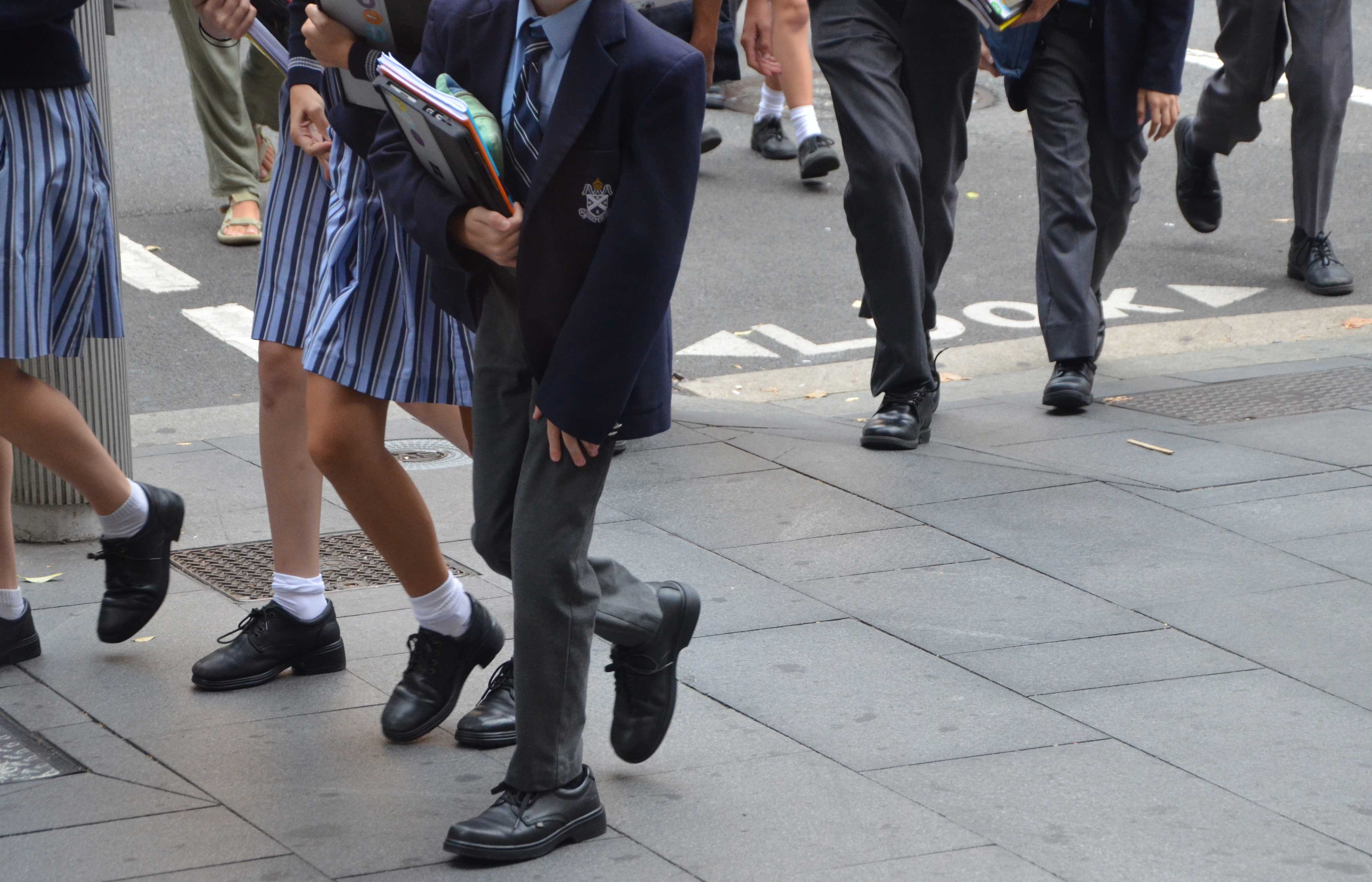
Meanwhile, children were continuously exposed to clear alcohol imagery as they left school each day.
Several weeks later, OMA similarly determined that ads depicting alcohol should not be “placed on signs within a 150m sightline of a school”; however, failed to identify whether the ad had in fact breached their guidelines.
Instead, OMA stated that they and ABAC recognised that “there is [a] ‘gap’ in our policies where they do not capture advertisements for events/festivals, created by organisations that are not classified as an alcohol producer, distributor or retailer, featuring a depiction of unbranded alcoholic products.”
This ‘gap’ would be considered in their next review, but in the meantime, ads like this one could continue.
We sought further clarification regarding their determination; however, after two months and two follow-up attempts, we still have not received a response.
Both the ABAC and OMA schemes are unenforceable and there are no significant consequences if a scheme identifies that an ad has breached their ‘code’. OMA attempted to provide assurance, informing us that they will “recommend these advertisements not to be placed on signs within a 150m sightline of a school.”
But as they themselves acknowledge, this is merely a recommendation.
Where does this leave community members trying to navigate the system?
Delayed responses, unclear outcomes, and a troublesome complaint process make it incredibly difficult for community members to voice their concerns or obtain an outcome to their complaint.
The current voluntary codes are ineffective in protecting children from alcohol exposure.
Primary school children from as young as three years old were continuously exposed to the image of alcohol whilst the ad was published.
Research shows that children as young as four are able to identify alcoholic beverages correctly, which means many of these young school children would have been able to recognise the glass of wine in the ad.
Other research has also demonstrated that three quarters of children are able to recognise Bundy Bear and associate the bear with alcohol, indicating that children are aware of the branding and logos associated with alcohol companies.
Ads promoting unhealthy food and alcohol located near schools are awfully common, with an audit of outdoor ads surrounding 64 schools in Perth finding almost one quarter of food/drink ads contain alcohol related content.
In comparison to other outdoor drink or food ads, alcohol ads include the highest number of teen directed marketing features, indicating they are the most appealing ads to young people.
A review of multiple studies demonstrated that there is a causal link between increased exposure to alcohol marketing and alcohol use. Exposure also increases the likelihood of initial use of alcohol and harmful drinking behaviours in young people.
It is increasingly important that governments set higher standards for advertising, to reduce young people’s exposure to alcohol.
While ABAC focuses on maintaining a veneer of legitimacy, young people in our communities are continuously exposed to alcohol marketing.
It’s time we move away from voluntary industry codes and for governments to introduce strong, enforceable advertising regulations that will protect our communities.
Leave a Reply