Alisa Vartuli
Change often starts from the ground up, but meaningful and lasting change also requires leadership and collaborative action. Nowhere has this been clearer to me than in my own home.
When my young family moved into a strata building, I never imagined we would face a health challenge that affects not only us but thousands of apartment residents across New South Wales. It is an issue so common that it is almost invisible.
If you guessed second hand smoke, you would be right.
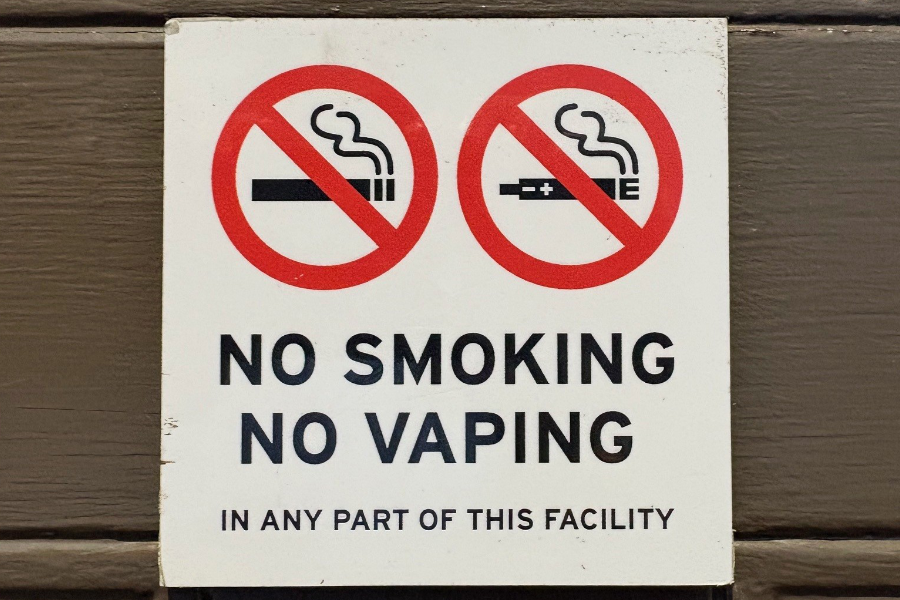
I was genuinely shocked that second hand smoke could still pose such a significant issue in 2025. Over the years, we have seen strong public health leadership from government, including smoking bans in and near restaurants, schools, playgrounds, bus stops, and in cars with children present. These policies helped shift social norms, and improved community health.
I assumed the problem was largely behind us. I was even more surprised to learn that smoking rates in New South Wales remain just above 11 percent of people over the age of 16, which is higher than I expected.
But what shocked me most was discovering that the same laws protecting us in public spaces do not apply to strata buildings. I have more right to clean air at a bus stop than in my own living room.
The Right to Clean Air Still Not Guaranteed
Clean air should be a fundamental right, especially for children. Exposure to second hand smoke has been shown to cause asthma and other significant health issues in young people. Yet despite overwhelming evidence, those living in apartments remain unprotected.
I sought help anywhere I could, including non-profit organisations, free legal services, the strata association, my neighbours, and strata management. Still, I was repeatedly told the same thing: without a specific by law approved by 50 percent of residents, nothing could be done.
At one point, a legal professional told me that smoking was a resident’s right. My immediate question was: why does a smoker’s right outweigh my child’s right to breathe clean air?
We tried everything from air purifiers to fans, window seals, keeping doors shut, avoiding balconies, and documenting smoke incidents. Still, smoke found its way in. It was exhausting, and I often felt powerless.
But there is hope.
After months of advocacy, I have finally secured enough support to vote on introducing a smoke free bylaw in our building. I am cautiously optimistic that it will pass.
This journey has shown me that the fight for health equity is not over, not even close. Strata residents, despite making up a growing share of the population in Sydney and across New South Wales, are being overlooked in smoke free policy frameworks.
Leadership, collaboration, and advancement
If we can create smokefree environments in public spaces and neighbourhoods, why not in the places where people live?
To create lasting and meaningful change, we need:
- Government leadership to close legislative gaps
- Community collaboration to support smoke-free by laws
- Public health advocacy to ensure equity for all residents
This issue aligns strongly with the United Nations Sustainable Development Goal 3, which seeks to ensure healthy lives and promote wellbeing for all at all ages, particularly the commitment to strengthening tobacco control.
Better health outcomes lead to stronger and more equitable communities. And as I have learned firsthand, sometimes the journey toward those outcomes begins in the most personal of places, your own apartment.
Alisa Vartuli is based in NSW
Leave a Reply