Tag: Aboriginal Community Controlled Health Organisations
-
An election on health lacking vision beyond hospitals: why Victoria must invest in Public Health and prevention
PHAA Victoria Prevention Subcommittee The PHAA’s Victorian branch, in partnership with the Australian Health Promotion Association and Australasian Epidemiological Association, have released their 2022 Victorian Election Scorecard. This assesses the policy platforms of the major parties – Labor, the Coalition (Liberal/National) and the Greens – against our joint Election Platform, which…
-
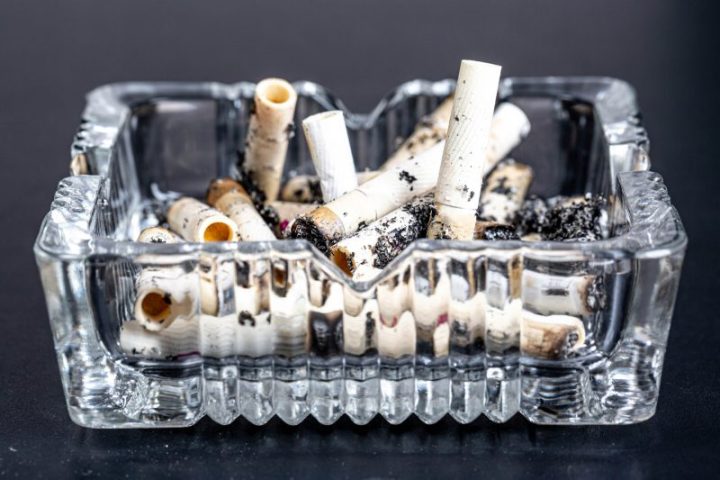
‘Dispelling the smoke to reflect the mirror’: the time is now to eliminate tobacco related harms
Helen Tran, PHAA Intern A recently published commentary by Maddox et al in the Australian and New Zealand Journal of Public Health highlights the opportunity that has presented itself for a “smoke free future” and nicotine free generations. A future which is looking more possible with Australia’s recent Consultation Draft…
-

Rather than focusing on the negative, we need a strength-based way to approach First Nations childrens’ health
Jennifer Browne, Deakin University; Jill Gallagher, Indigenous Knowledge; Joleen Ryan, Deakin University; Mark Lock (Ngiyampaa), Deakin University, and Troy Walker, Deakin University First Nations children represent the future of the world’s oldest continuing culture. Of the 66,000 Victorians who identified as Aboriginal and/or Torres Strait Islander in the 2021 Census,…
-

Reclaiming health and wellbeing for Aboriginal and Torres Strait Islander people
Dr Michelle Kennedy – PHAA Vice-President Aboriginal and Torres Strait Islander health This continent’s First Peoples were healthy enough to live here for tens of thousands of years, creating the world’s longest-lasting cultures. Then, colonisation. In a few generations the Aboriginal and Torres Strait Islander peoples’ populations declined dramatically, and…
-

National Reconciliation Week: Supporting Indigenous-led public health responses
National Reconciliation Week 2021 ‘We’ve been successful because we’ve had a seat at the table, where we’ve had respect for our knowledge and community connection, and it’s been a true partnership, not just a brown face at the table.’ – Dr Lorraine Anderson, Kimberley Aboriginal Medical Services Our Reconciliation journey…