Category: Indigenous health
-
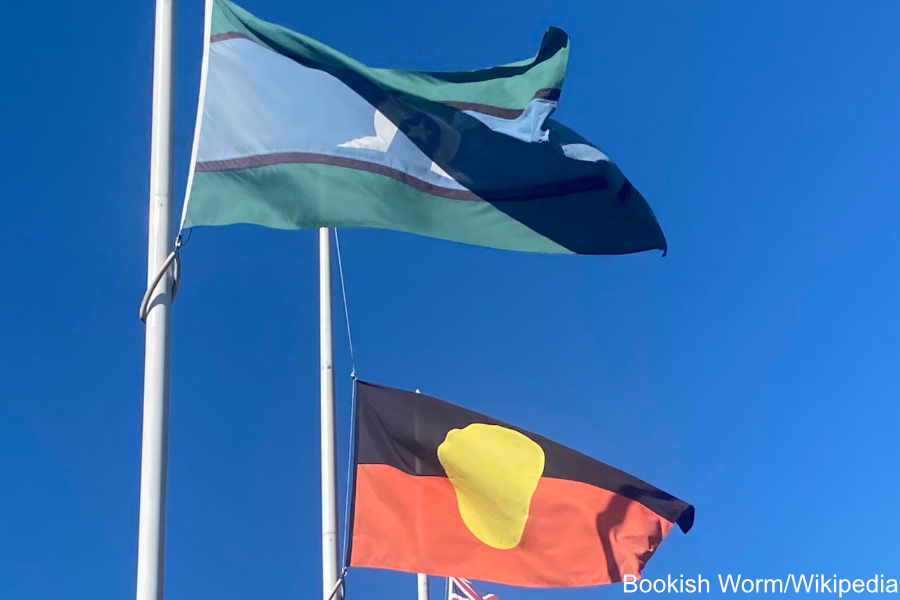
Small actions, big impact: Using appropriate terminology to refer to Aboriginal and Torres Strait Islander people
Summer May Finlay Referring to people in the way they prefer is an important way of showing respect, including toward Aboriginal and Torres Strait Islander people. It seems simple, right? Unfortunately, it hasn’t always been the case. Since colonisation, how we, Aboriginal and Torres Strait Islander people, have been described,…
-

Allyship is about accountability
Mel Parker Proud Yorta Yorta woman Associate Professor Summer May Finlay, PHAA Vice President (Aboriginal and Torres Strait Islander) facilitated a webinar on 3 June to mark National Reconciliation Week. It featured guest speakers Dr Stephen Harfield, a Narungga and Ngarrindjeri man and UQ Poche Centre for Indigenous Health researcher,…
-
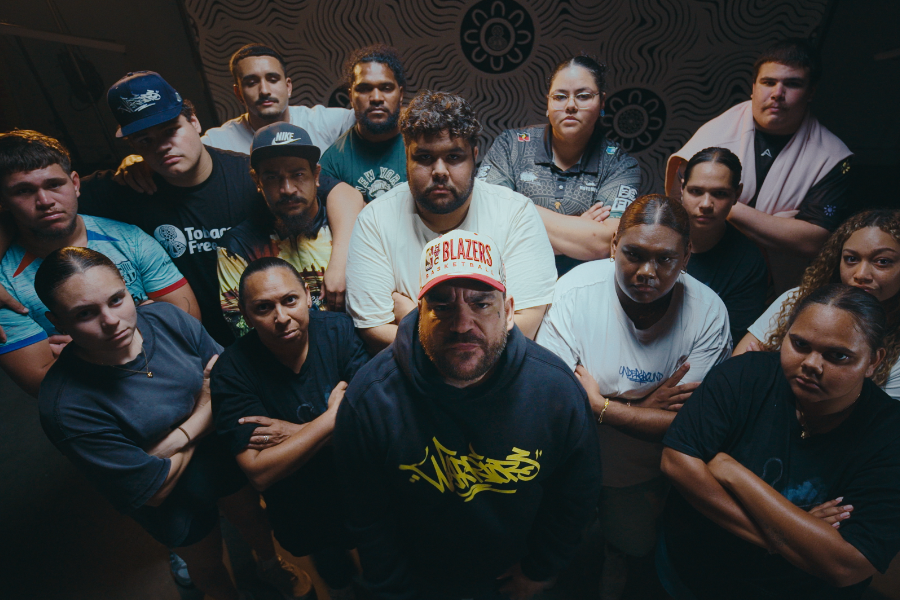
Voices of Resistance: Youth, Culture, and the Fight Against the Tobacco and Nicotine Industry
Raglan Maddox and Danny Allende They playing with fire they gonna get burned Voice of resistance we standing firm They paid us in rations got smoke in our lungs Now we smoking the system the tables have turned From “Voices of Resistance” In April 2026, during Youth Week, a new…
-

Eight ANZJPH articles that made headlines in 2025
Hollie Harwood Each year over 1.1 million readers visit and download articles from the Australian and New Zealand Journal of Public Health (ANZJPH). While our journal citations measure impact, they don’t capture one of ANZJPH’s unique strengths – the way that our evidence-based articles influence policy and practice, support advocacy,…
-
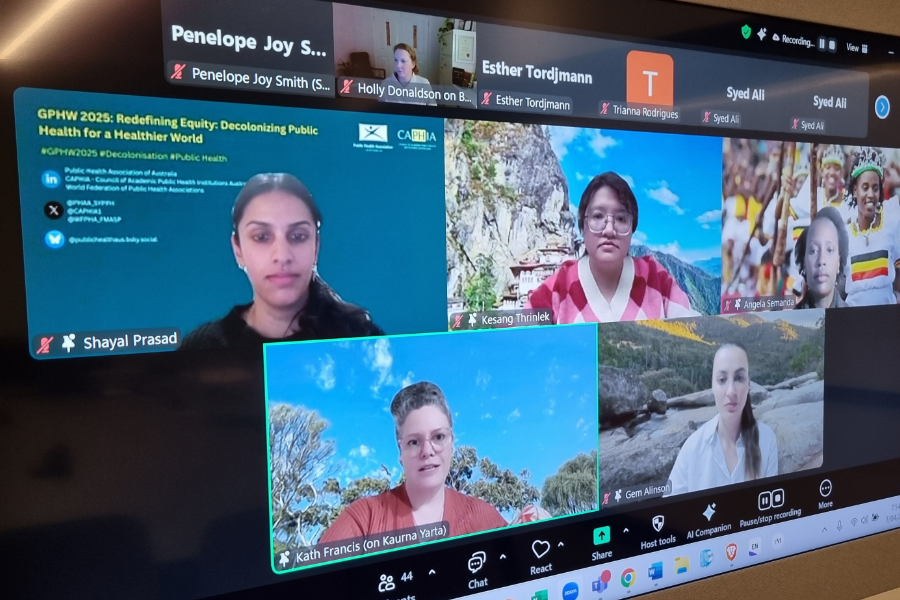
In the settler colonial state, how do we incorporate decolonisation into curriculum meaningfully and successfully?
Shayal Prasad and Penelope Smith with Gem Allinson, Holly Donaldson, Dr Kath Francis, Isabelle Haklar, Angela Semanda, and Kesang Thrinlek In the following piece, we use the terms First Nation Australians, Indigenous People and Aboriginal and Torres Strait Islander as per the PHAA Aboriginal and Torres Strait Islander Guide to…
-
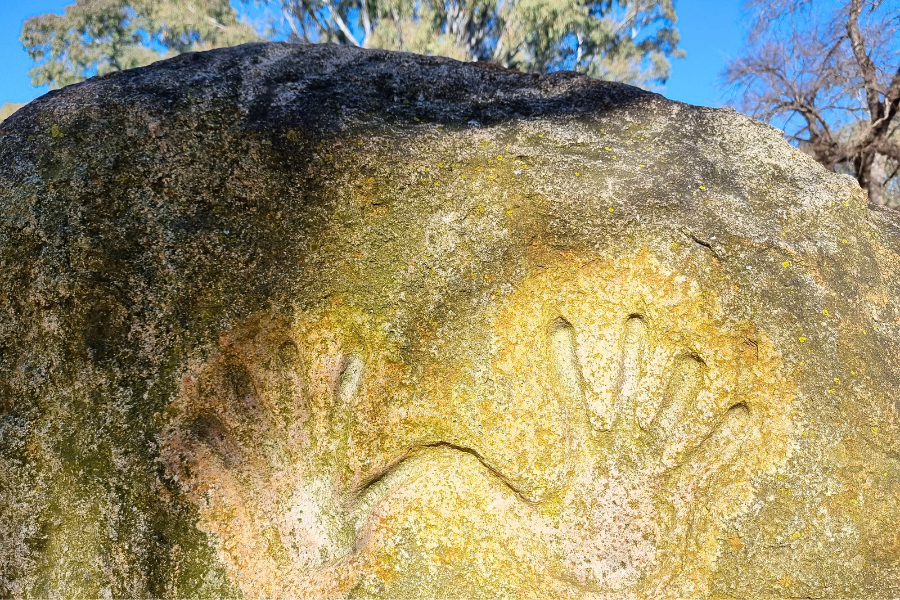
Good intentions aren’t enough to Close the Gap
Nadia August We’re calling on the next Australian Government to invest in First Nations people’s health to close the gap in life expectancy and health outcomes. Find out more on the Public Health Association of Australia’s 2025 Election Priorities site. This is part of an ongoing series explaining our 2025…
-
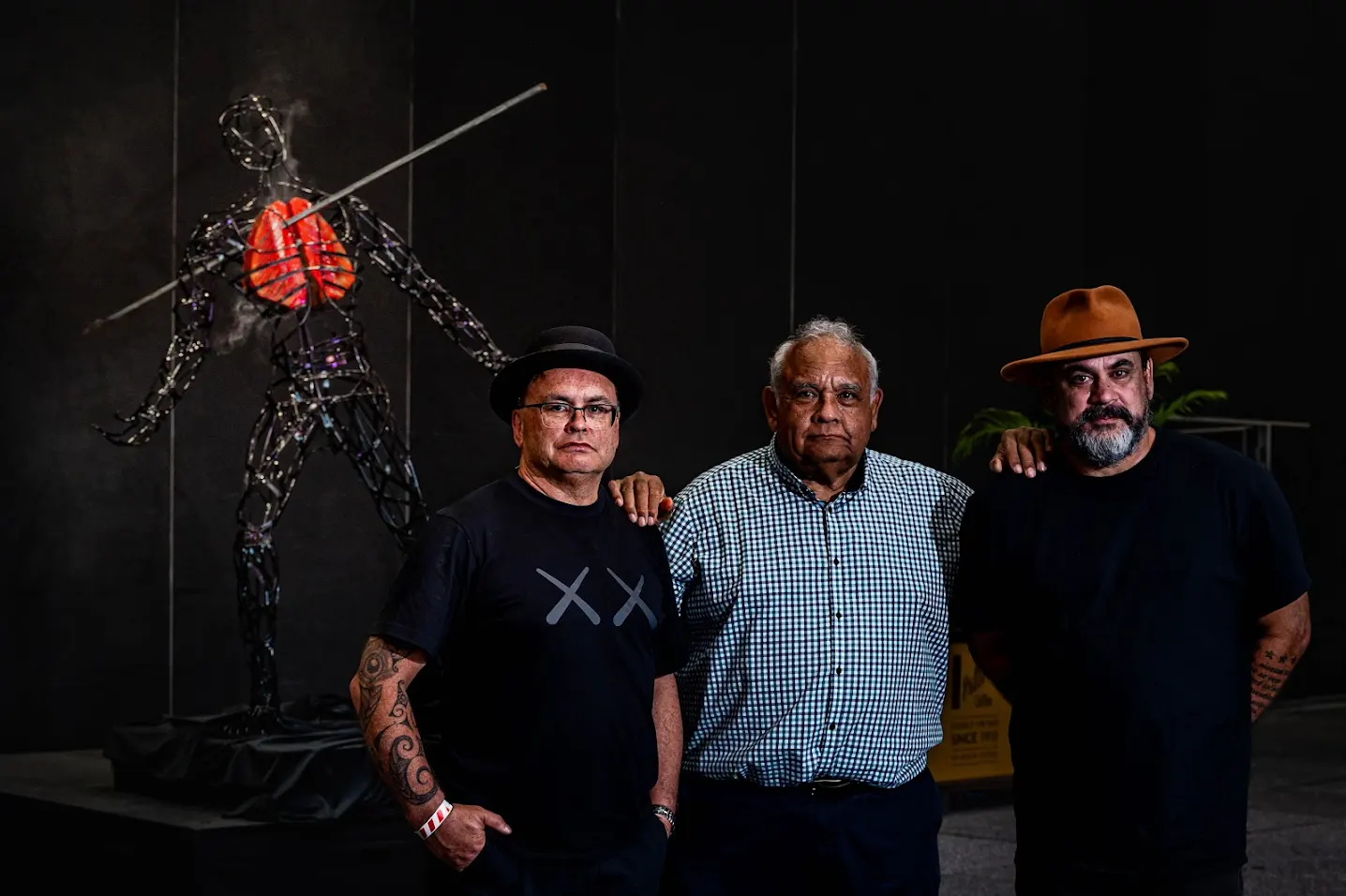
Can we eradicate commercial tobacco disease and death?
Raglan Maddox and Michelle Kennedy The commercial Tobacco Industry continues to profit off addiction, disease, and death, perpetuating health inequities. For over 70 years, we have known that when used as directed, commercial tobacco products kill. Australia has been a leader in tobacco control through plain packaging, tax reforms, and…
-

Food sovereignty vital for First Nations Australians’ economic security, parliamentary inquiry shows
Dr Alana Gall Prior to invasion, Aboriginal and Torres Strait Islander peoples (hereafter First Nations peoples) had an uninterrupted, deep, and interconnected relationship to their lands, waterways, and seas that ensured optimum health, and cultural, spiritual, social, and emotional wellbeing. For thousands of years, advanced agriculture and aquacultural techniques supplied…
-
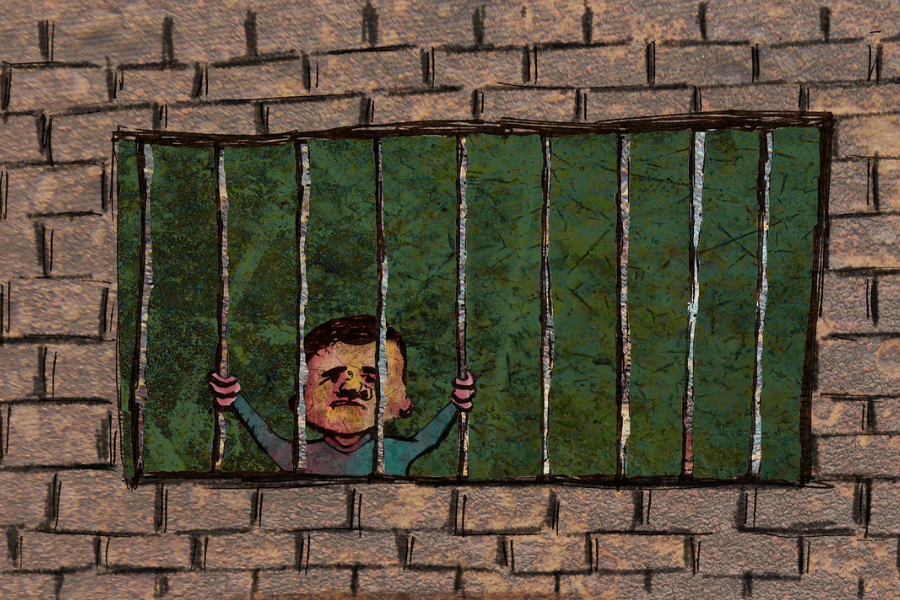
Forcing kids behind bars creates more crime, not less
Malcolm Baalman Across Australia, at any time, around 400 children aged 10 to 13 are incarcerated for criminal actions. Over 50% of these are Aboriginal and Torres Strait Islander kids. Public health takes a lifelong perspective on the health of populations and the impact that all people have on those…
-
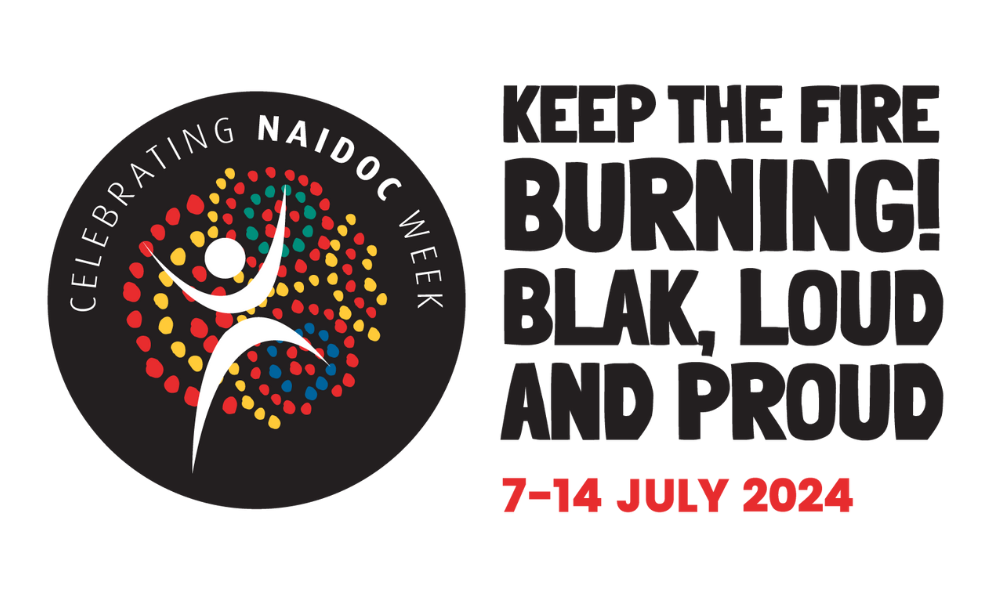
10 Aboriginal and Torres Strait Islander research articles to read this NAIDOC week and beyond
Summer May Finlay and Leanne Coombe It’s NAIDOC Week (7 – 14 July), and this year’s theme is “Keep the Fire Burning! Blak, Loud and Proud”. According to the NAIDOC Week 2024 website: “This year’s theme celebrates the unyielding spirit of our communities and invites all to stand in solidarity,…
-

There’s more to PHAA membership than tax deductions
Penelope Smith The value of a Public Health Association of Australia (PHAA) membership, particularly if you are a student like me, is significant; but for a very long time, my engagement with the Association was little to none. Despite being a member since 2017, it’s only within the last year…
-
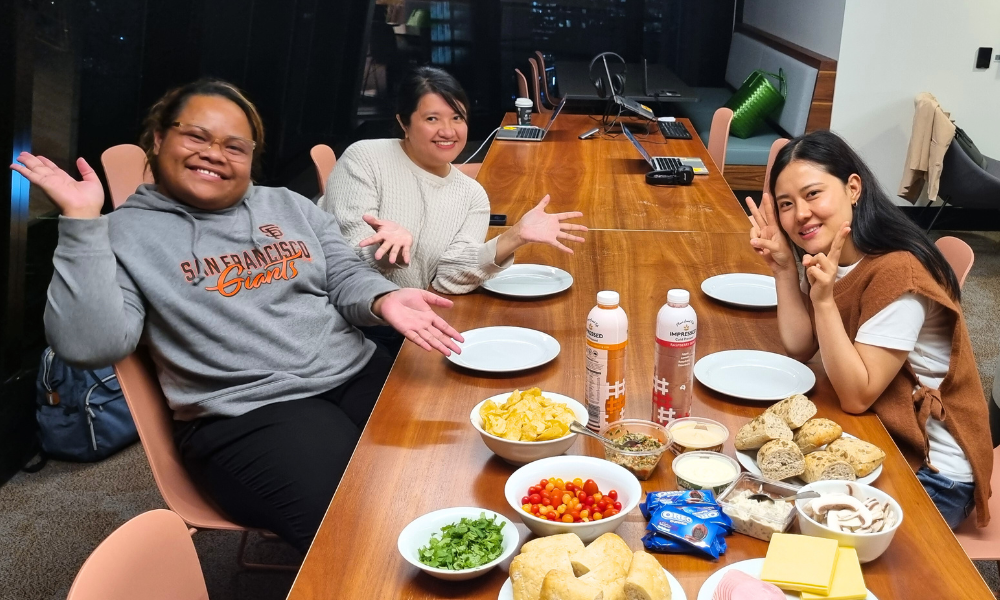
Decolonising public health: reclaiming Indigenous wisdom for an equitable future
Elisapeta Agnes Anitelea, Kesang Thrinlek, Tshering Denka, with support from Penelope Smith and Dr Alana Gall The historical legacy of colonisation has profoundly influenced global health paradigms. Indigenous communities and their leaders, who have been directly affected, are not passive recipients, but active agents in the decolonisation process. Their resilience…
-

Cultural wellbeing linked to better health outcomes for First Nations and CALD populations
Dr Joe Thomas Culture is the sum of the lived experience of a group of people. It includes the artefacts of today’s life, collective expressions of norms and values, shared memories, belief systems and knowledge. Culture plays a critical role in health and wellbeing and is transferred intergenerationally. Aboriginal and…
-
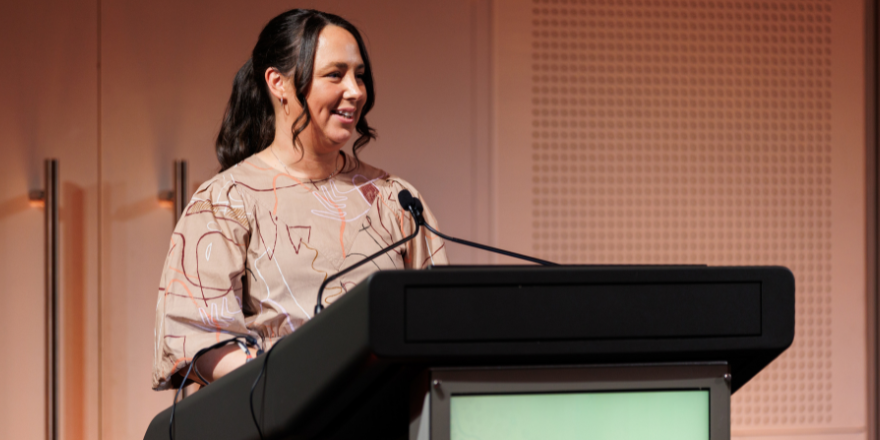
Rachel Fishlock on increasing First Nations’ leadership across Australia’s mental health system
PHAA We know that collaborations between the public health and mental health sectors are vital to bridge the gap between what works and what’s happening in practice and policy. One effort toward that is the inaugural Preventive Mental Health Symposium, which will be held in Melbourne and online on Tuesday…
-
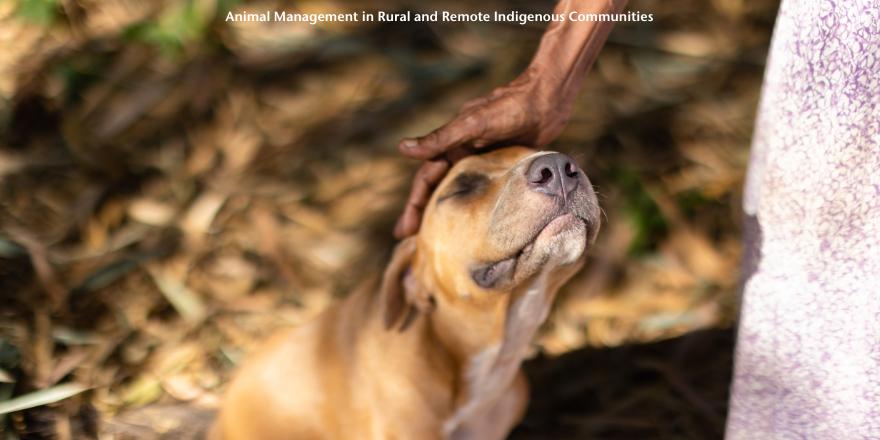
City students learn about human and animal health in remote communities
Dr Jessica Hoopes, Dr Bonny Cumming, Dr John Hunter and Prof Michelle Power Undergraduate students from a university in northwestern Sydney are learning about human and animal health in remote and rural communities across northern and central Australia. The Macquarie University students have been studying One Health concepts – which…
-

What next for the Allies of Uluru?
By Honorary Associate Professor Leanne Coombe, Policy and Advocacy Manager, PHAA On 31 October, I joined a debriefing session with colleagues who are members of Allies for Uluru. We acknowledged and celebrated the extent of activities and efforts taken to support the Uluru Dialogue and Yes23 Campaign in the lead…
-

Reflections on the 2023 Australian Public Health Conference
Elise Rivera, Health Promotion SIG Travel Award Recipient This submission was written prior to the Voice referendum on 14 October 2023. It was a great privilege to be awarded the PHAA Health Promotion Special Interest Group’s Travel Award 2023 and attend the 2023 Australian Public Health Conference in Hobart.…
-

A Voice to Parliament is a human right for Australia’s First Peoples
Honorary Assoc. Prof. Leanne Coombe, Policy and Advocacy Manager, PHAA I began writing this blog on the anniversary of the signing of the United Nations Declaration on the Rights of Indigenous Peoples (UNDRIP), which was adopted by the General Assembly on Thursday 13 September 2007. Australia was one of only…
-
Ways to answer common questions about the Voice to Parliament proposal
PHAA’s Administration and Memberships Officer, Amber Rowe, and CEO, Adj Prof Terry Slevin Introduction The Voice Referendum is a compulsory vote on 14 October. All registered voters in Australia need to turn up. As a result, and as the date nears, more people are turning their mind to the…
-

Introducing Dr Alana Gall, Vice President-Elect, (Aboriginal and Torres Strait Islander)
Dr Alana Gall will join the Public Health Association of Australia Board as Vice President (Aboriginal and Torres Strait Islander) in September 2023. She describes her career to date and discusses her new role. Q: How did you start your career in public health? I originally developed an interest…
-
Health sector backs ‘Yes’ vote
Malcolm Baalman, PHAA Senior Policy and Advocacy Advisor Health sector organisations have decisively taken positions backing changes to the Australian Constitution at the referendum on 14 October to recognise Aboriginal and Torres Strait Islander peoples, and create an advisory Voice institution to represent them to government. PHAA, medical associations including…
-
The Voice, the Referendum and public health
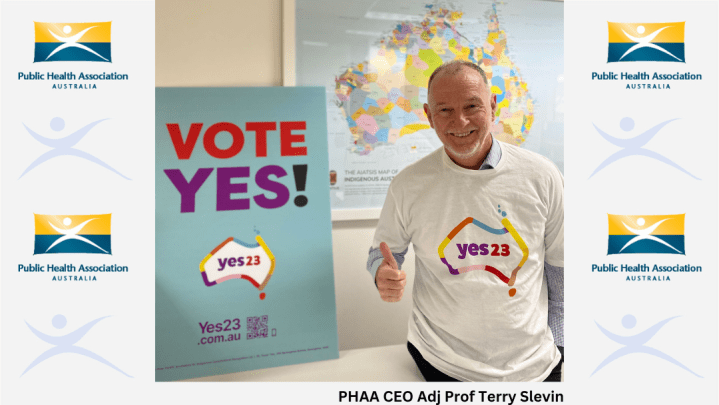
Adj Prof Terry Slevin, PHAA CEO This week I had the privilege to participate in a forum hosted by the Allies for Uluru, a coalition of civil society organisations that support the implementation of the Uluru Statement from the Heart, starting with the establishment of a First Nations Voice to…
-

Data shows improvements in Alice Springs following alcohol restrictions
Dr John Boffa, Chief Medical Officer Public Health, Central Australian Aboriginal Congress, Adjunct Professor of Primary Health Care, Charles Darwin University; and Edward Tilton, Senior Health Policy Adviser, Central Australian Aboriginal Congress The highly charged topic of alcohol-related violence in Mparntwe (Alice Springs) made headlines late last year, after the…
-

The first sleep health program for First Nations adolescents could change lives
Yaqoot Fatima, The University of Queensland; Azhar Potia, The University of Queensland; James Ward, The University of Queensland, and Mina Kinghorn, The University of Queensland Adolescence is a sensitive life stage when emerging independence, changing social roles, excessive screen time, academic pressures, and significant biological changes can lead to emotional…
-

I want to help work toward reconciliation in Australia. What can I do?
PHAA We’ve almost reached the conclusion of this year’s National Reconciliation Week, which finishes up on Saturday 3 June, marking the anniversary of the High Court Mabo decision. There’ve been a range of events to get involved in, and resources to share, led by Reconciliation Australia. What is reconciliation?…
-
To reduce harm from alcohol, we need Indigenous-led responses
Lorelle Holland, The University of Queensland; Andrew Smirnov, The University of Queensland; Natasha Reid, The University of Queensland; Nicole Hewlett, The University of Queensland, and Tylissa Elisara, The University of Queensland Alcohol management in Aboriginal and Torres Strait Islander communities has been a deeply divisive issue, as seen recently in…
-

First Nations people often take on the ‘cultural load’ in their workplaces. Employers need to ease this burden
Nina Sivertsen, Flinders University; Courtney Ryder, Flinders University, and Tahlia Johnson, Flinders University It’s good practice for employers to consult staff when forming policies or guidelines. However, for some staff from diverse backgrounds, this creates extra work and pressure. “Cultural load” in the context of the workplace is the invisible…
-

Aotearoa provides guidance on the next phase of tobacco control measures in Australia: more of the same is not enough
Dr Raglan Maddox, Catherine Manning, Prof Raymond Lovett, Assoc Prof Lisa Whop, Selah Hart, Dr Michelle Kennedy, Assoc Prof El-Shadan Tautolo, Shane Kawenata Bradbrook, Prof Tom Calma AO and Anaru Waa What is Aotearoa/New Zealand doing? Māori in Aotearoa/New Zealand were among the first to call for a Tupeka Kore (tobacco…
-
PHAA’s submission marks 30 years of advocating for a CDC
PHAA Policy and Advocacy Team After more than 30 years advocating for the establishment of an Australian Centre for Disease Control (CDC), the PHAA team is celebrating the lodging of our submission today to the Australian Government addressing the questions outlined in the Role and Functions of an Australian Centre…
-
Locking up kids has serious mental health impacts and contributes to further reoffending
Summer May Finlay, University of Wollongong; Ee Pin Chang, The University of Western Australia; Jemma Collova, The University of Western Australia, and Pat Dudgeon, The University of Western Australia This article contains information on violence experienced by First Nations young people in the Australian carceral system. There are mentions of…