Category: Culturally and Linguistically Diverse
-

Taking migrant women’s health context into account
Zohra Lassi, Negin Mirzaei Damabi, Abela Mahimbo Since 1945, Australia has welcomed close to a million refugees. However, when a pregnant refugee woman walks into a hospital, her experience rarely leaves a trace in our health records. Her name might appear on a patient chart, but her migration background, language,…
-
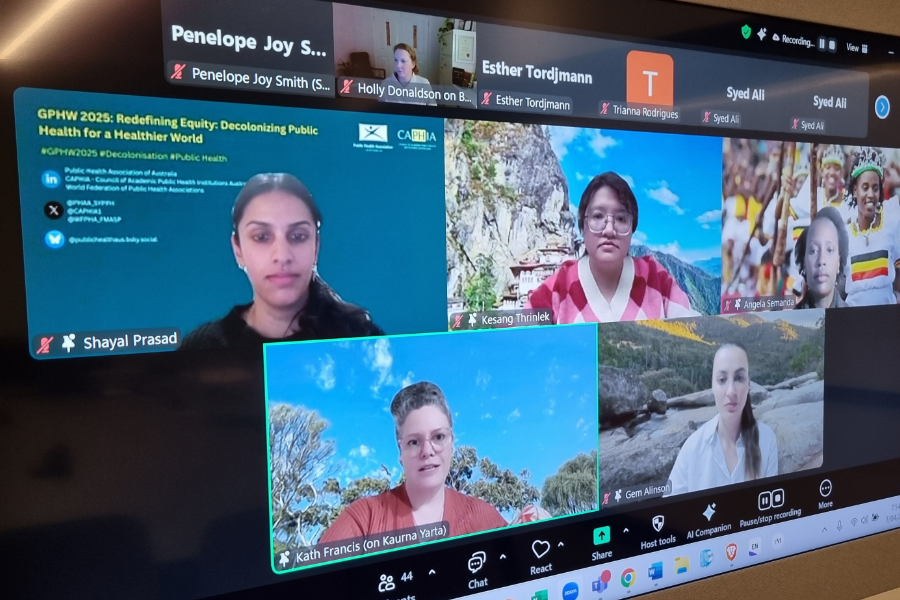
In the settler colonial state, how do we incorporate decolonisation into curriculum meaningfully and successfully?
Shayal Prasad and Penelope Smith with Gem Allinson, Holly Donaldson, Dr Kath Francis, Isabelle Haklar, Angela Semanda, and Kesang Thrinlek In the following piece, we use the terms First Nation Australians, Indigenous People and Aboriginal and Torres Strait Islander as per the PHAA Aboriginal and Torres Strait Islander Guide to…
-

Cultural competence needed to build equitable health care
Dr Mehwish Nisar South Asian Australians, immigrants from countries like India, Pakistan, Bangladesh, Sri Lanka, and Nepal, are valuable contributors to Australia’s diverse society. They are often recognised for their achievements in fields like medicine, academia, technology, and business, and sometimes characterised as a ‘model minority’ – a myth that…
-

Ramadan: a chance to form healthier habits?
Dr Muhammad Aziz Rahman, Professor of Public Health Ramadan, the sacred month for Muslims around the world, commenced this year on 1 March. A quarter of the world’s population is observing this holy month of fasting, during which practising Muslims abstain from food or drink from sunrise to sunset. Besides…
-

Who takes care of our most vulnerable?
Penelope Smith People who migrate to work in health – whether in frontline delivery, program design, or research – are a vital part of the health workforce in Australia and globally. International health workers bring with them a wealth of knowledge and experience that, if thoughtfully leveraged, could be powerful.…
-

Adversity to advocacy: Ruqia’s path to public health
Ruqia Mohamed As a first-generation Australian Somali, my life has always been intertwined with the threads of family, culture, and faith. Growing up, our home was filled with laughter, shared meals, and endless conversations. These elements of our close-knit family life were the foundation of my upbringing, instilling in me…
-
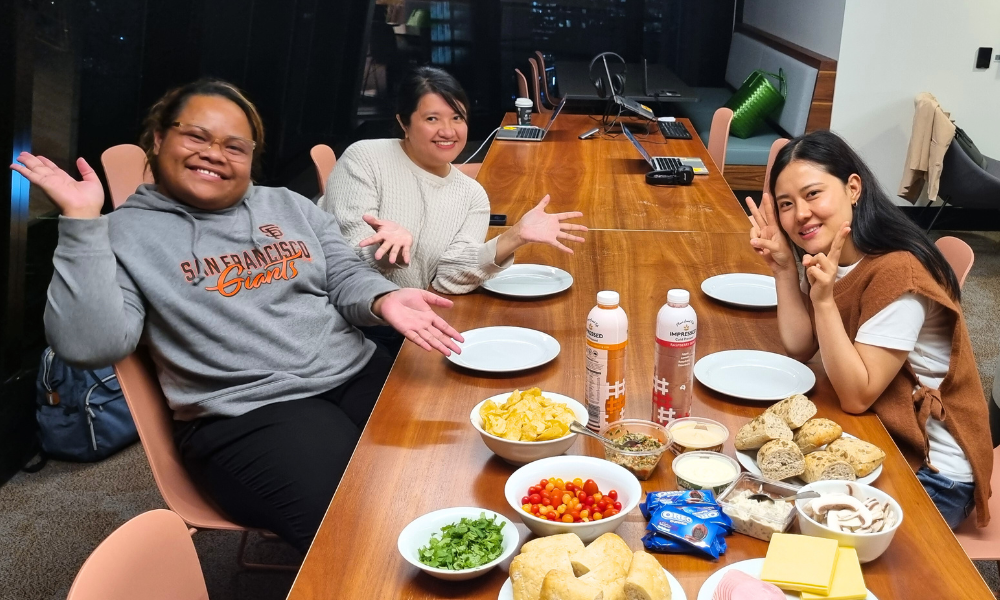
Decolonising public health: reclaiming Indigenous wisdom for an equitable future
Elisapeta Agnes Anitelea, Kesang Thrinlek, Tshering Denka, with support from Penelope Smith and Dr Alana Gall The historical legacy of colonisation has profoundly influenced global health paradigms. Indigenous communities and their leaders, who have been directly affected, are not passive recipients, but active agents in the decolonisation process. Their resilience…
-

This one language change can improve health equity
Anita Eseosa Ogbeide Migrants and multicultural populations in Australia are mostly categorised as ‘Culturally and Linguistically Diverse’ (CALD), a term preferred by government and community agencies. In Australia, CALD people are defined by having a specific cultural and linguistic affiliation by virtue of place of birth, ancestry, ethnic origin, religion,…